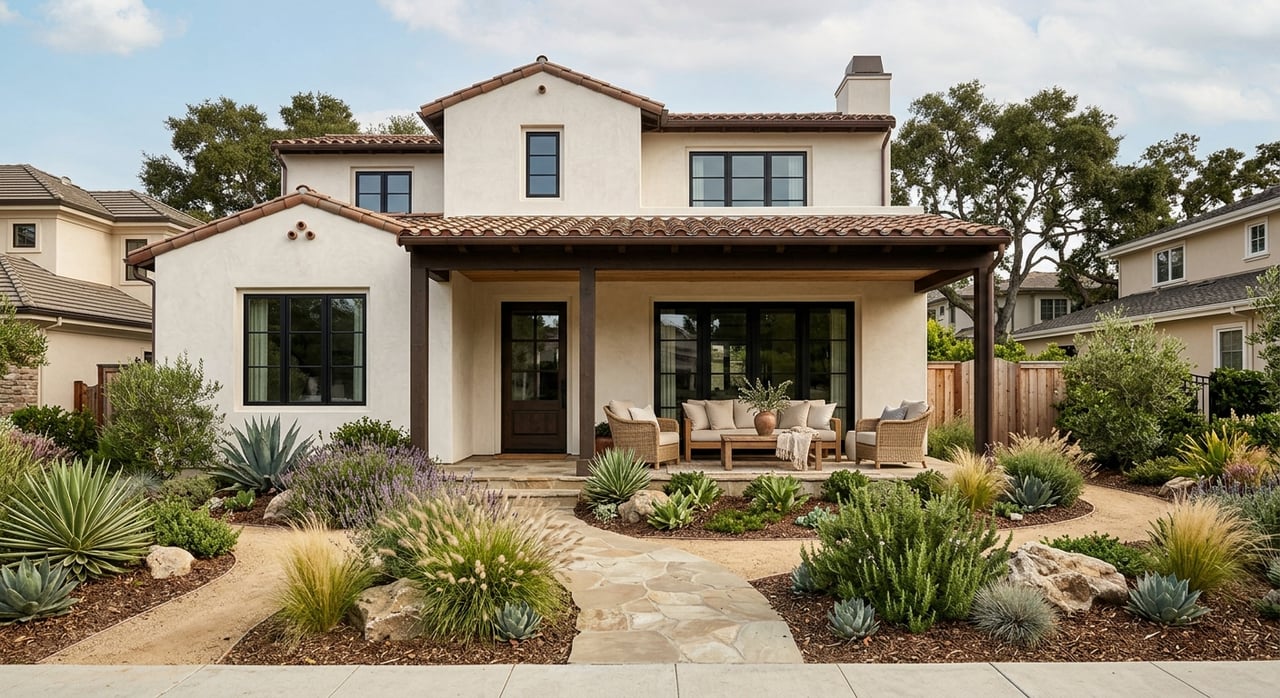
Buying your first home in Riverside can feel exciting and overwhelming at the same time. You want a neighborhood that fits your budget, commute, and day-to-day lifestyle, but Riverside offers a wide mix of options, from historic central districts to newer suburban communities. The good news is that you do not need one perfect neighborhood. You need the right fit for how you live now and where you want to be next. Let’s dive in.
Start With Your Priorities
Before you compare listings, it helps to get clear on what matters most to you. In Riverside, your best neighborhood choice often comes down to four big factors: price, commute, home age, and convenience.
Citywide, Riverside’s median sale price sits around the low-to-mid $600,000s. At the same time, Riverside is still fairly car-dependent overall, with a Walk Score of 43 and Transit Score of 30. That means where you buy can make a real difference in how you get around and what your daily routine feels like.
If you want a simpler search, rank your priorities in order. Ask yourself whether you care most about staying in budget, being closer to transit, finding a home with historic character, or getting newer construction with a more planned-community feel.
Riverside Price Tiers at a Glance
For many first-time buyers, budget is the starting point. The current neighborhood data suggests a few clear pricing tiers that can help you narrow your search faster.
- Lower-priced options in this comparison: Eastside and Magnolia Center, both in the low $500,000s
- Middle tier options: Northside and Downtown Riverside, generally from the high $500,000s to low $600,000s
- Upper-middle tier options: La Sierra and Wood Streets, around the mid $600,000s
- Higher-priced options: Canyon Crest, Orangecrest, and Mission Grove, generally in the $700,000s
These numbers come from March through May 2026 snapshots, so they are best used as directional guides rather than exact targets. Even so, the price spread is useful because it shows that Riverside offers more than one path for a first-time buyer.
Best Riverside Neighborhoods for Value
Eastside for Lower Entry Pricing
Eastside stands out as one of the more budget-friendly neighborhoods in this comparison, with a median sale price around $519,000. It is one of Riverside’s oldest and largest neighborhoods, with many homes built before the 1950s.
If your goal is to buy closer to the city core without stretching into Riverside’s higher price tiers, Eastside may be worth a closer look. It also benefits from connections to Downtown, UC Riverside, and the Downtown Metrolink Station area.
Magnolia Center for Central Convenience
Magnolia Center is another strong value option, with a median sale price around $535,000. It offers a central location and access to shopping, civic uses, a library branch, parks, and the Riverside Plaza area.
For a first-time buyer, Magnolia Center can make sense if you want a balance of price and daily convenience. It is not the cheapest option in every case, but it offers a lot of practical access for the price point.
Northside for Housing Variety
Northside comes in a bit higher, with a median sale price around $577,000. What makes it different is the range of housing types, including bungalow-style homes on deep lots, tract homes, condos, apartments, and newer gated communities.
That variety can help if you are still figuring out what type of property fits your goals. If you want flexibility in your home search, Northside may give you more than one way to enter the market.
Best Riverside Neighborhoods for Walkability
Downtown Riverside for Urban Living
If walkability matters most, Downtown Riverside is the clear standout. It has a Walk Score of 67, Transit Score of 45, and Bike Score of 64, making it the most urban and connected option in this group.
Downtown is described by the city as the cultural and urban hub of the Inland Empire. With the pedestrian mall, museums, city and county offices, Riverside Community Hospital, and a historic street grid, it offers a very different feel from Riverside’s more suburban neighborhoods.
Downtown’s median sale price is around $602,000, which can make it appealing for buyers who want an active central location without moving into the city’s highest price tier. If you like being closer to civic and cultural amenities, this area deserves a serious look.
Magnolia Center for Everyday Access
Magnolia Center also performs well for daily convenience, with a Walk Score of 58. It may be a good fit if you want easier access to shopping and services but prefer a more neighborhood-oriented feel than Downtown.
This can be especially helpful if you are trying to reduce long errand runs and keep routine stops simple. For many first-time buyers, that kind of convenience matters more after move-in than they expect.
La Sierra for Transit Access
La Sierra combines a suburban layout with better transit advantages than many outlying areas. It has a Walk Score of 55 and sits near the La Sierra Metrolink Station, which can be a meaningful plus if your commute takes you beyond Riverside.
The neighborhood includes detached homes, larger lots, gated communities, and apartments near La Sierra University. With a median sale price around $650,000, it may fit buyers who can spend a bit more in exchange for added transit access and a wider mix of housing patterns.
Best Riverside Neighborhoods for Historic Character
Wood Streets for Classic Homes
Wood Streets is one of Riverside’s best-known historic areas for buyers who love older homes and established streetscapes. The neighborhood is made up mostly of pre-World War II housing on a traditional grid, and current market data places the median sale price around $660,000.
If you are drawn to charm, mature neighborhood patterns, and homes with more distinct architecture, Wood Streets may feel especially appealing. At the same time, older homes can come with different maintenance needs, so it is smart to factor repair and upkeep costs into your budget.
Downtown and Eastside for Older Housing Stock
Downtown and Eastside also stand out for historic housing stories. Both offer older homes and closer-in locations, which can be attractive if you value character and central access more than newer finishes or larger suburban lot patterns.
For a first-time buyer, this can be a tradeoff worth making. You may gain location and personality, but you should go in with a clear plan for inspections, maintenance, and possible updates over time.
Best Riverside Neighborhoods for Newer Homes
Orangecrest for Planned Community Appeal
Orangecrest is one of the clearest choices if you want a newer suburban setting. The city describes it as a master-planned community with mostly single-family homes, neighborhood retail, parks, and a community library and center.
Its median sale price is around $742,000, so it typically requires a higher budget. In return, you may get the newer-home feel and more structured neighborhood layout that many buyers want.
Mission Grove for Mixed-Use Convenience
Mission Grove is another strong option for buyers seeking newer housing. Most development dates from the 1980s or later, and the area blends single-family homes, condos, apartments, shopping centers, offices, and access to Sycamore Canyon Wilderness Park.
With a median sale price around $770,000, it sits in the higher end of this comparison. If your budget allows it, Mission Grove can offer a mix of modern housing patterns and nearby services.
Canyon Crest for Subdivision Living
Canyon Crest has a median sale price around $715,000 and is largely made up of modern subdivision development. The neighborhood includes Canyon Crest Town Centre, Andulka Park, and access to open-space amenities.
This area may appeal to buyers who want a more residential, subdivision-oriented setting. It is more car-dependent than central Riverside neighborhoods, so it usually works best if you are comfortable driving for most daily needs.
How Commute Should Shape Your Search
Commute matters more than many first-time buyers expect. A home can look perfect online, but if the location adds stress to your weekday routine, it may not feel like the right fit after closing.
In Riverside, Downtown, Eastside, and La Sierra offer some of the clearest transit advantages because of access to the Downtown Metrolink area, the city’s rail network, and the La Sierra Metrolink Station. By contrast, Orangecrest, Canyon Crest, and Mission Grove are more car-dependent.
If you work outside Riverside, compare your likely drive or rail routine before you commit to a neighborhood. If you work from home or mostly stay local, you may be happier prioritizing home style, space, or community amenities instead.
A Simple Way to Narrow Your Options
If Riverside feels too broad, start with a short list of three neighborhood types instead of trying to learn the whole city at once. That usually makes the process feel much more manageable.
You can use this quick filter:
- Want the lowest entry point? Start with Eastside and Magnolia Center.
- Want walkability and urban access? Focus on Downtown Riverside.
- Want historic character? Look at Wood Streets, Downtown, and Eastside.
- Want transit access with suburban elements? Explore La Sierra.
- Want newer homes and planned-community feel? Compare Orangecrest, Mission Grove, and Canyon Crest.
- Want a broad mix of home types? Add Northside to your list.
Once you have that short list, visit at different times of day if you can. Pay attention to drive times, shopping access, street feel, and the type of homes that come up in your budget.
The Right Neighborhood Is Personal
There is no single best Riverside neighborhood for every first-time buyer. One buyer may care most about getting into the market at a lower price point, while another may be willing to spend more for a newer home, easier commute, or a more central lifestyle.
That is why a smart neighborhood decision is not just about price. It is about matching your budget with the way you want to live day to day, both now and a few years from now.
If you want help comparing Riverside neighborhoods through the lens of your budget, commute, and goals, Laura McKinney can help you sort through the options with clear guidance and a hands-on approach.
FAQs
Which Riverside neighborhood is most affordable for first-time buyers?
- Based on the neighborhoods in this comparison, Eastside and Magnolia Center currently show the lowest median sale prices, both in the low $500,000s.
Which Riverside neighborhood is most walkable for first-time buyers?
- Downtown Riverside stands out as the most walkable option in this group, with a Walk Score of 67, plus stronger transit and bike scores than the other neighborhoods compared here.
Which Riverside neighborhoods have newer homes?
- Orangecrest and Mission Grove are the clearest choices for newer homes and a more planned-community feel, with Canyon Crest and parts of La Sierra also fitting that preference.
Which Riverside neighborhoods have older historic homes?
- Wood Streets, Downtown Riverside, and Eastside are the strongest options if you want older housing stock and more historic character.
Which Riverside neighborhood is best for shopping and services?
- Magnolia Center is especially strong for shopping and everyday services, while Downtown, La Sierra, Mission Grove, and Orangecrest also offer notable amenity clusters.
How should first-time buyers choose a Riverside neighborhood?
- Start by ranking your top priorities, such as budget, commute, home age, and convenience, then compare neighborhoods based on the factor that matters most to your daily life.