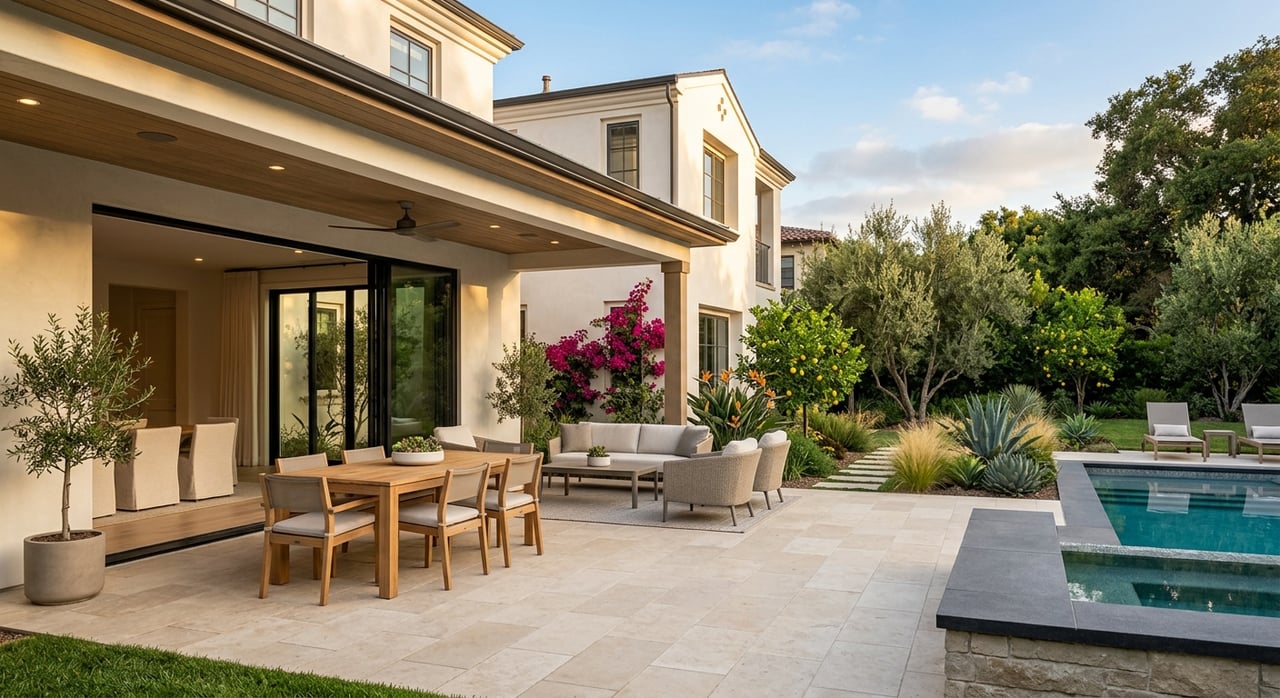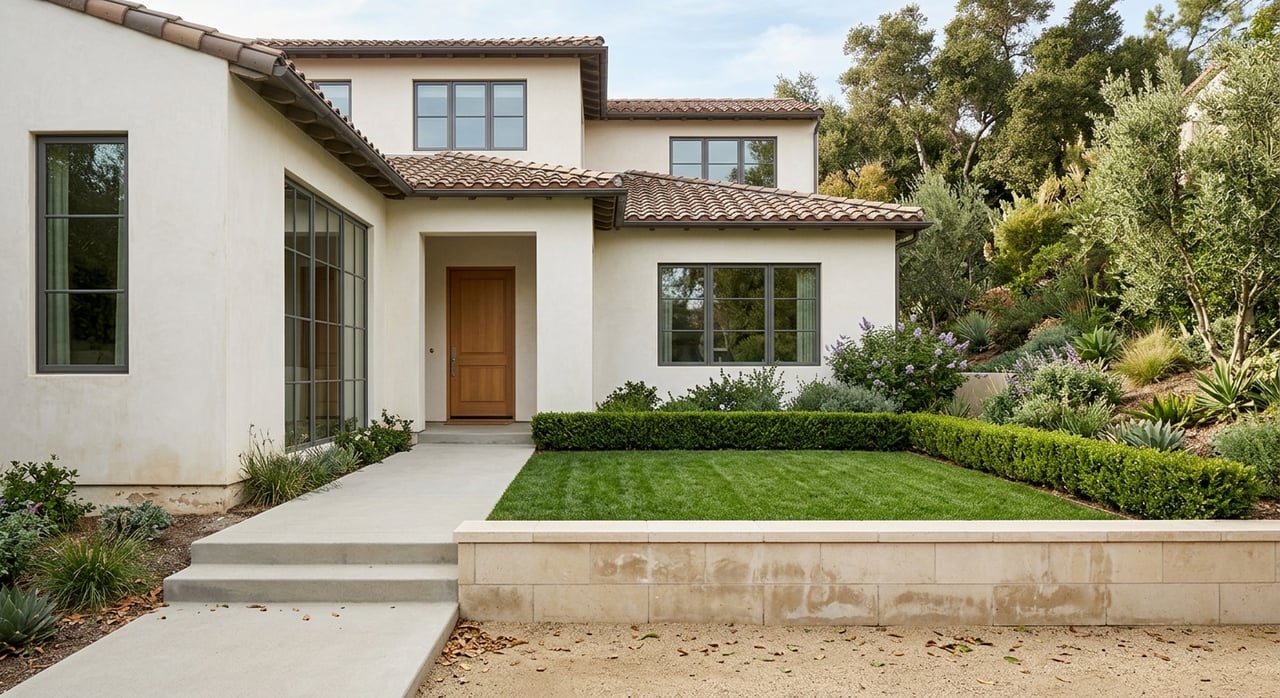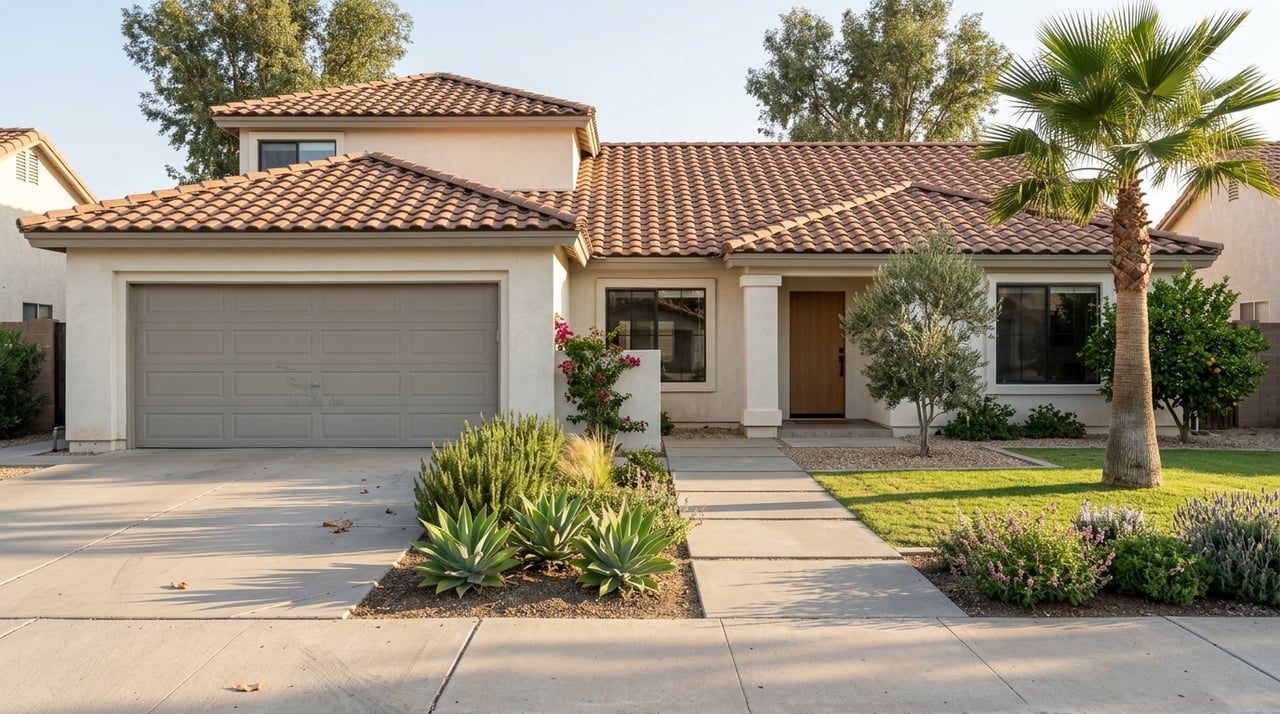
If you are trying to picture what day-to-day life in Riverside actually feels like, the answer is more practical and more appealing than a simple city snapshot. You get a mix of historic downtown energy, neighborhood conveniences, outdoor spaces that fit into a normal week, and commute options that matter when you are planning real life, not just a weekend visit. Whether you are buying your first home, relocating, or looking for a neighborhood that supports your routine, this guide will help you understand how Riverside works on an everyday level. Let’s dive in.
What Everyday Life in Riverside Feels Like
Riverside is a large city with about 323,057 residents as of July 1, 2025. Rather than feeling like one dense urban core, it reads more like a city with a historic center and surrounding neighborhood-focused areas.
Downtown Riverside is the cultural and urban hub of the Inland Empire, with a historic street grid dating back to 1870, a Main Street pedestrian mall, and a mix of shops, restaurants, museums, and public institutions. That gives the city a blend of walkable central activity and more suburban day-to-day living in the surrounding districts.
For many households, that balance is a big part of Riverside’s appeal. You can enjoy a more connected downtown setting when you want it, while still having access to parks, shopping, and everyday dining in other parts of the city.
Riverside Parks for Daily Routines
One of Riverside’s strongest lifestyle features is how easy it is to build outdoor time into your week. The city has several signature parks and trail corridors that support walking, biking, hiking, and casual time outside.
Mount Rubidoux for Walks and Views
Mount Rubidoux is one of Riverside’s best-known outdoor landmarks. This 161-acre city park sits just west of downtown and is open from dawn to dusk.
It includes 3.5 miles of paved roads along with several dirt hiking trails. For many residents, it is the kind of place that can fit into a morning walk, an evening outing, or a simple weekend reset without needing a major time commitment.
Fairmount Park for Open Space
Fairmount Park is another major everyday anchor in Riverside. City information describes it as spanning more than 200 acres, and downtown neighborhood materials identify it as a 209-acre historic park with Lake Evans, Fairmount Lake, and Fairmount Park Golf Course.
That kind of scale gives you more than a small neighborhood green space. It creates room for recreation, lakefront scenery, and a broader park experience that can support a range of routines.
Trails That Support Everyday Movement
Riverside’s outdoor access is not limited to destination parks. The city highlights the Santa Ana River Trail and Victoria Avenue as signature routes that matter for regular movement around the city.
The Santa Ana River Trail runs through much of Riverside, while Victoria Avenue combines bicycle and equestrian paths. These corridors add another layer to daily life, especially if you value walking, biking, or having outdoor routes close to home.
Citrus State Historic Park for Weekend Variety
California Citrus State Historic Park adds another outdoor option with more than 250 acres of citrus groves, historic buildings, exhibits, picnicking, and hiking. It may feel more like a planned outing than a quick neighborhood walk, but it still contributes to the wider Riverside lifestyle.
If outdoor access matters to you, Riverside offers more than a single signature park. It gives you several ways to shape your routine around open space.
Riverside Dining and Social Spots
When people think about convenience, dining is a big part of the conversation. Riverside has a few distinct areas where restaurants and gathering spots shape daily life.
Downtown Riverside Dining Scene
Downtown Riverside is the city’s strongest dining and social district. City and transit sources describe it as walkable and full of restaurants, bars, entertainment, and historic sites.
That matters if you want a part of town where dinner, coffee, or a casual night out does not require a lot of planning. Downtown also includes Riverside Food Lab, a food hall with more than a dozen eateries and indoor-outdoor seating, which adds variety in one setting.
University Avenue Food Options
University Avenue is another active dining corridor, especially near UC Riverside. Visit Riverside listings in this area include Estrella Taqueria Lounge, Killer Queens Social House, Afters Ice Cream, Rad Coffee, and Urban Dripp.
What stands out here is the mix. You are not looking at just one style of dining, but rather a blend of casual meals, desserts, coffee, and nightlife-oriented stops that can fit different times of day.
Neighborhood Dining Nodes Across Riverside
Outside downtown, Riverside also has several dining areas that function as practical neighborhood conveniences. Canyon Crest Towne Centre notes 21 restaurants near UCR, with nearby examples including BushFire Kitchen.
Mission Grove includes spots such as The Rustik Fork, while Riverside Plaza offers places like Ooka Sushi & Hibachi in an outdoor lifestyle setting. For many buyers, these smaller dining hubs can matter just as much as a central downtown because they support everyday errands, quick meals, and local routines closer to home.
Commuting in Riverside
Lifestyle is not only about where you relax. It is also about how you get where you need to go. Riverside offers several transportation connections, but commuting is still a real planning factor for many households.
Freeway Access and Drive Times
Riverside is located near the 91 and 60 freeways at the I-215 junction. That freeway access helps connect the city to other parts of the Inland Empire and beyond.
At the same time, commute times are worth taking seriously. Census QuickFacts reports a mean travel time to work of 31.3 minutes for Riverside workers in 2020 through 2024, compared with 27.2 minutes for the U.S. overall.
That does not mean Riverside is difficult to navigate, but it does mean your location within the city and your job destination can have a real effect on your daily schedule. If you are home shopping, commute planning should be part of the conversation from the start.
Metrolink Options in Riverside
For some commuters, rail can be a meaningful alternative to driving. Metrolink serves Riverside through multiple stations and key regional lines.
Riverside-Downtown serves the 91/Perris Valley, Inland Empire-Orange County, and Riverside lines. Riverside-La Sierra serves the 91/Perris Valley and Inland Empire-Orange County lines, while Riverside-Hunter Park/UCR serves the 91/Perris Valley line.
Downtown and La Sierra stations offer free parking, and the downtown station also connects with RTA buses and CommuterLink Express. If you commute on one of these corridors, station access may be a practical factor to weigh when choosing a neighborhood.
Local Transit and Shorter Trips
The Riverside Transit Agency is the main local bus network. RTA reports an approximate 2,500-square-mile service area with 32 local routes, three CommuterLink express routes, GoMicro microtransit, and Dial-A-Ride.
Its route map shows connections to places such as UC Riverside, Corona Transit Center, Galleria at Tyler, Jurupa Valley, Moreno Valley, Perris, Ontario Mills, and Montclair Transcenter. For some residents, this creates more flexibility for local errands, school commutes, and regional connections.
For shorter trips, bike and trail-based movement also play a role. Official city bike path information includes the Santa Ana River Trail and Victoria Avenue, both of which support non-car travel in select parts of Riverside.
Why Riverside Appeals to Many Buyers
Riverside works well for people who want a city with multiple lifestyle layers. You have a historic, walkable downtown, several park-centered routines, dining options spread across the city, and transportation connections that support both local and regional movement.
It is also a place where convenience can look different depending on the area. For one buyer, convenience may mean being near downtown restaurants and a Metrolink station. For another, it may mean being close to parks, neighborhood dining, and freeway access.
That is why local guidance matters. The right fit often comes down to how you live each day, where you need to go, and which parts of Riverside best support that routine.
If you are considering a move in Riverside or the Inland Empire, working with a professional who can help you connect lifestyle goals with the right location can make the process much clearer. Laura McKinney offers hands-on guidance, clear communication, and local insight to help you move forward with confidence.
FAQs
What is everyday life like in Riverside, California?
- Riverside blends a historic, walkable downtown with neighborhood-focused suburban areas, everyday parks, dining corridors, and regional commute connections.
What are some popular parks in Riverside for daily use?
- Mount Rubidoux, Fairmount Park, the Santa Ana River Trail, Victoria Avenue, and California Citrus State Historic Park are all notable outdoor spaces that support walking, hiking, biking, and recreation.
Where are the main dining areas in Riverside?
- Downtown Riverside is the city’s strongest dining and social district, while University Avenue, Canyon Crest Towne Centre, Mission Grove, and Riverside Plaza also offer everyday dining options.
How long is the average commute in Riverside?
- Census QuickFacts reports a mean travel time to work of 31.3 minutes for Riverside workers in 2020 through 2024.
Does Riverside have public transportation options?
- Yes. Riverside has Metrolink stations, RTA local bus routes, CommuterLink express service, GoMicro microtransit, and Dial-A-Ride options.
Is Riverside good for buyers who want both convenience and outdoor access?
- Riverside can appeal to buyers who want a mix of park access, dining choices, neighborhood convenience, and transportation connections, with the best fit depending on your daily routine and commute needs.