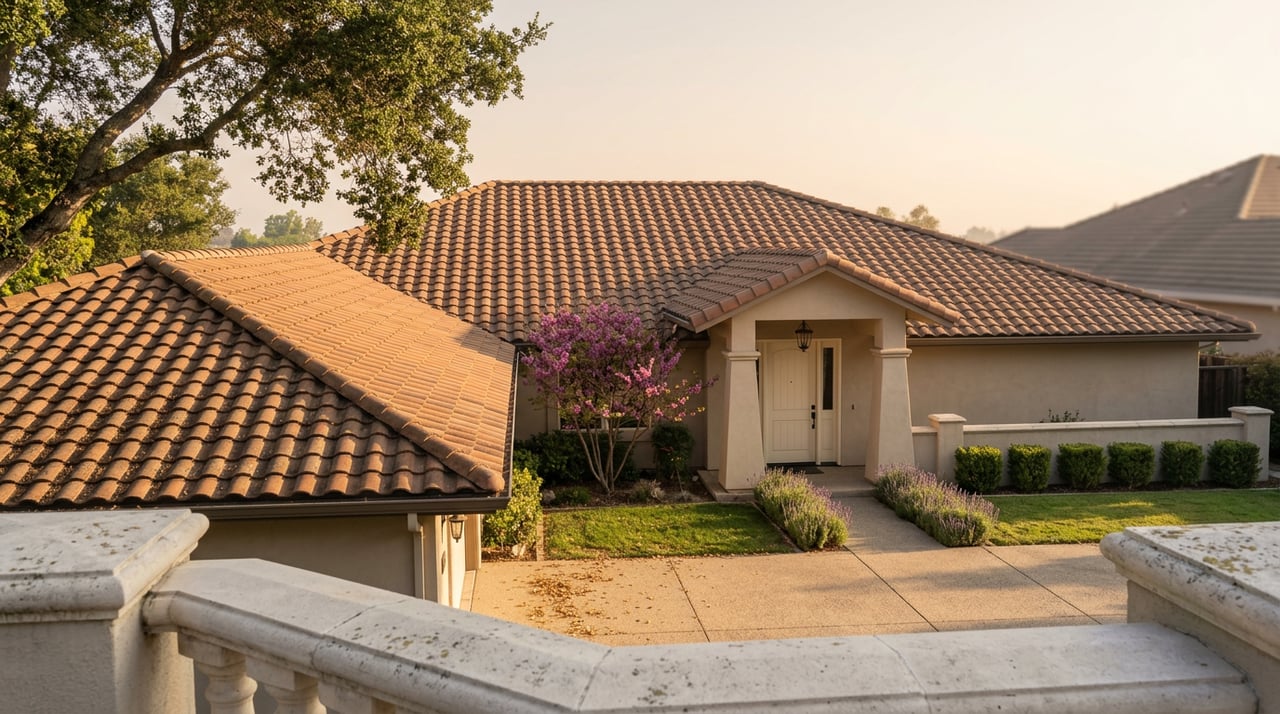
Two years ago, a seller at Brighton at Etiwanda handed over a stack of familiar documents before closing: the CC&Rs, a budget summary, a statement of dues. That packet still exists. What changed on January 1, 2026 is what else has to be in it, and in a lot of Rancho Cucamonga's newer HOA communities, that missing piece is the thing nobody thought to check until a buyer's agent asked for it.
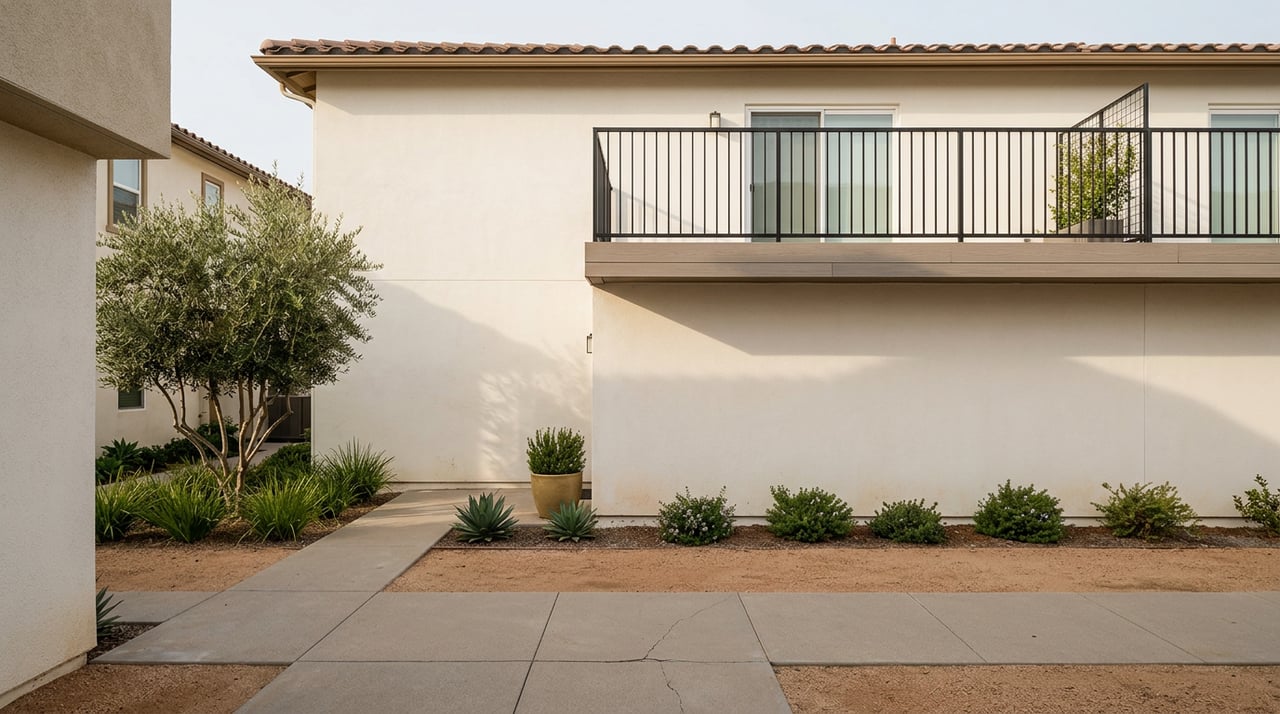
The addition is a balcony inspection report. Specifically, the most recent inspection of what California calls exterior elevated elements, meaning balconies, decks, stairways, and walkways attached to the building. If your HOA has one on file, adding it to your disclosure package is a formality. If your HOA hasn't done the inspection yet, the gap itself becomes something you have to explain to a buyer, at the exact moment your buyer pool is already more inclined than it was two years ago to ask for repair credits before they'll sign.
What Actually Changed, And When
The inspection requirement is not new. Senate Bill 326, passed in 2019, told California condo associations with three or more units that they had to get their balconies and decks visually inspected by a licensed professional, with the first deadline landing January 1, 2025 and a recurring cycle every nine years after that. The inspector checks load-bearing components and waterproofing, then files a report with the board that gets folded into the HOA's reserve study.
What's new is Senate Bill 410, sponsored by the California Association of Realtors and effective January 1, 2026. It amends the same section of the Davis-Stirling Act that governs resale disclosures and adds one line: the most recent exterior elevated element report now has to go into the packet a seller delivers to a prospective buyer. You can read the legislative analysis directly from the state senate if you want the underlying language rather than a summary of it.
The distinction matters because it moves the report from something a board could sit on to something a seller is now responsible for producing. Before this year, a buyer had to know to ask. Now it arrives with everything else.
Where This Actually Lands In Rancho Cucamonga
The law only applies to buildings with three or more attached units carrying elevated wood-supported structures more than six feet off the ground. That single detail explains why two brand-new communities on opposite ends of town face completely different obligations.
Sycamore Heights, the gated masterplan along historic Route 66 and San Bernardino Road, sells two collections of attached condos, Woodland and Green Leaf, with shared amenities including a rec center, a dog park, and a tot lot. Units there run roughly 1,335 to 2,199 square feet with two-car garages, and several floor plans include second and third-floor decks. That's exactly the product type SB 410 was written for.
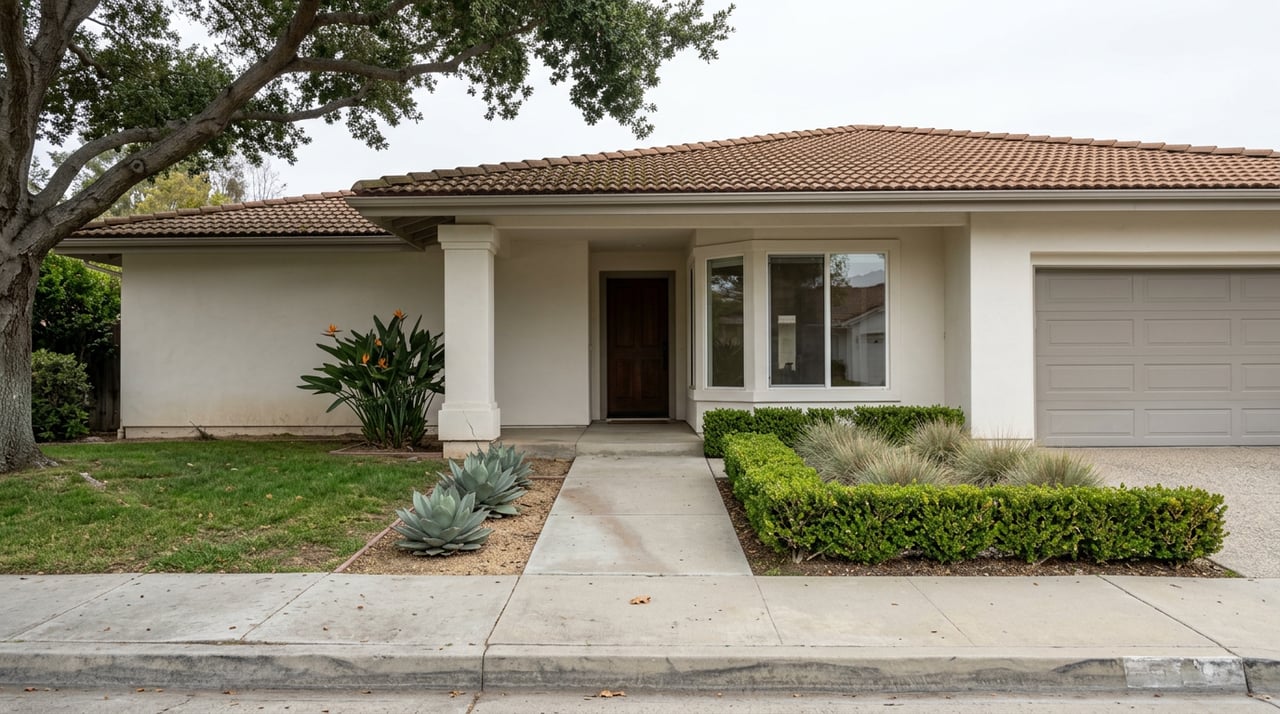
Etiwanda Classics at Highland, a few miles away, is an intimate collection of 22 detached single-family homes on large lots, built by Manning Homes with Spanish, Ranch, and Farmhouse elevations. No shared structure, no elevated element inspection requirement, even though it's newer construction sitting in the same part of the city.
A buyer comparing both communities on price per square foot alone would miss this entirely. An agent walking a seller through either one shouldn't.
| Community type | Example | EEE inspection likely required? |
|---|---|---|
| Attached condos/townhomes, 3+ units, shared decks or balconies | Sycamore Heights (Woodland, Green Leaf), Brighton at Etiwanda | Yes |
| Detached single-family, no shared elevated structure | Etiwanda Classics at Highland | No |
| Older established tracts, minimal or no HOA | Parts of Alta Loma | Not applicable |
If you're unsure which category your home falls into, your HOA's governing documents and your title company's preliminary report will tell you within a few minutes of asking.
The Friction Point: What Happens When The Report Doesn't Exist Yet
Plenty of associations across the state are still catching up on the original SB 326 deadline from January 2025. If yours hasn't scheduled its inspection, you're not just missing a document. You're handing a buyer's agent a legitimate reason to ask what else hasn't been maintained, and in Rancho Cucamonga's current market, that question lands differently than it would have two years ago.
The bidding-war intensity that defined the last cycle has eased. Sellers still hold the advantage on turnkey, well-priced homes, but buyers across the city are now routinely requesting inspections and repair credits before they'll move forward, a practice that was rare as recently as two years ago. Layer a missing balcony report on top of that shift and a seller isn't negotiating from a position of "trust me," they're negotiating from a position of "here's what we don't know yet."
That's the real cost of this law for anyone selling attached product this year. It's not the inspection fee. It's the timeline. Structural engineers qualified to perform these inspections have been running behind in parts of the state, and if your association hasn't started the process, scheduling one after you've already accepted an offer can stall escrow at the worst possible moment.
What To Check Before You List
If you own a condo or townhome in an HOA-governed Rancho Cucamonga community, a few calls before you list will tell you exactly where you stand.
- Ask your HOA management company whether the exterior elevated element inspection required under Civil Code Section 5551 has been completed, and request a copy of the most recent report.
- Look at the first page of that report for the summary fields: total units, units with elevated elements, how many were actually inspected, and whether any were flagged as an immediate safety threat.
- If no inspection has happened yet, ask the board directly when one is scheduled and whether the association has budgeted for it.
- Once you have the report, ask your title company to reconcile it against the preliminary title report before you open escrow, not after.
- If anything was flagged for repair, find out whether the association has already addressed it or whether that cost will need to be resolved or credited during your sale.
None of this requires a specialist. It requires a phone call to your HOA and a few minutes with the document once it arrives.
A Few Questions Worth Asking Directly
Does this apply if I'm selling a detached single-family home with an HOA, like a property in Victoria or Terra Vista? Only if your specific building shares an elevated structure that fits the legal definition, meaning a balcony, deck, stairway, or walkway more than six feet up and substantially wood-supported. Most detached single-family HOA product in Rancho Cucamonga doesn't have this exposure, but check your specific plan rather than assuming based on the community name alone.
What if my HOA already completed its inspection last year? Then you're in good shape. The requirement is simply that the most recent report gets included in your resale disclosure package. Request a copy early so it's ready when you go into escrow, rather than tracking it down under a deadline.
Rancho Cucamonga's condo and townhome market has plenty going for it, from Sycamore Heights' proximity to Victoria Gardens and Haven City Market to the newer product coming online along the Route 66 corridor. This one piece of paperwork just needs to be handled early rather than discovered late.
If you're weighing a sale in Rancho Cucamonga's HOA communities this year and want a clear read on where your property stands before you list, Laura McKinney is glad to walk through it with you. Let's connect.